Food insecurity means not knowing where your next meal is coming from — even when you’re doing everything right.
It means not having reliable access to enough affordable, nutritious food to meet basic needs. It exists on a spectrum.
It’s different from hunger, which is a physical sensation. Food insecurity is about the lack of consistent access — it can affect a household even if no one is currently feeling hungry in a given moment, because of the constant uncertainty and the coping strategies families use (stretching meals, skipping their own food so children eat, relying on cheaper high-calorie/low-nutrient food)
For a food-insecure child, it often looks like this: they eat a free lunch at school on Friday, and then don’t eat again until breakfast on Monday morning. Two and a half days with no reliable meal, simply because school — and the food that comes with it — isn’t in session.
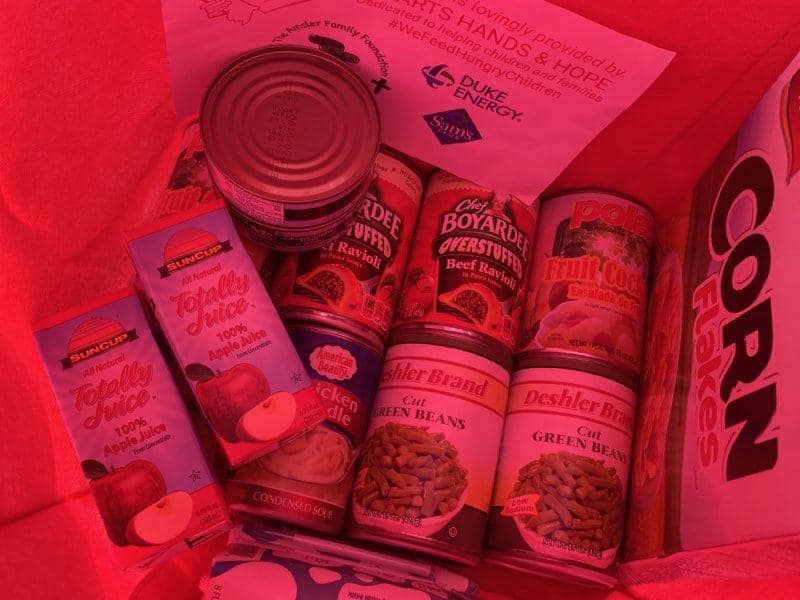
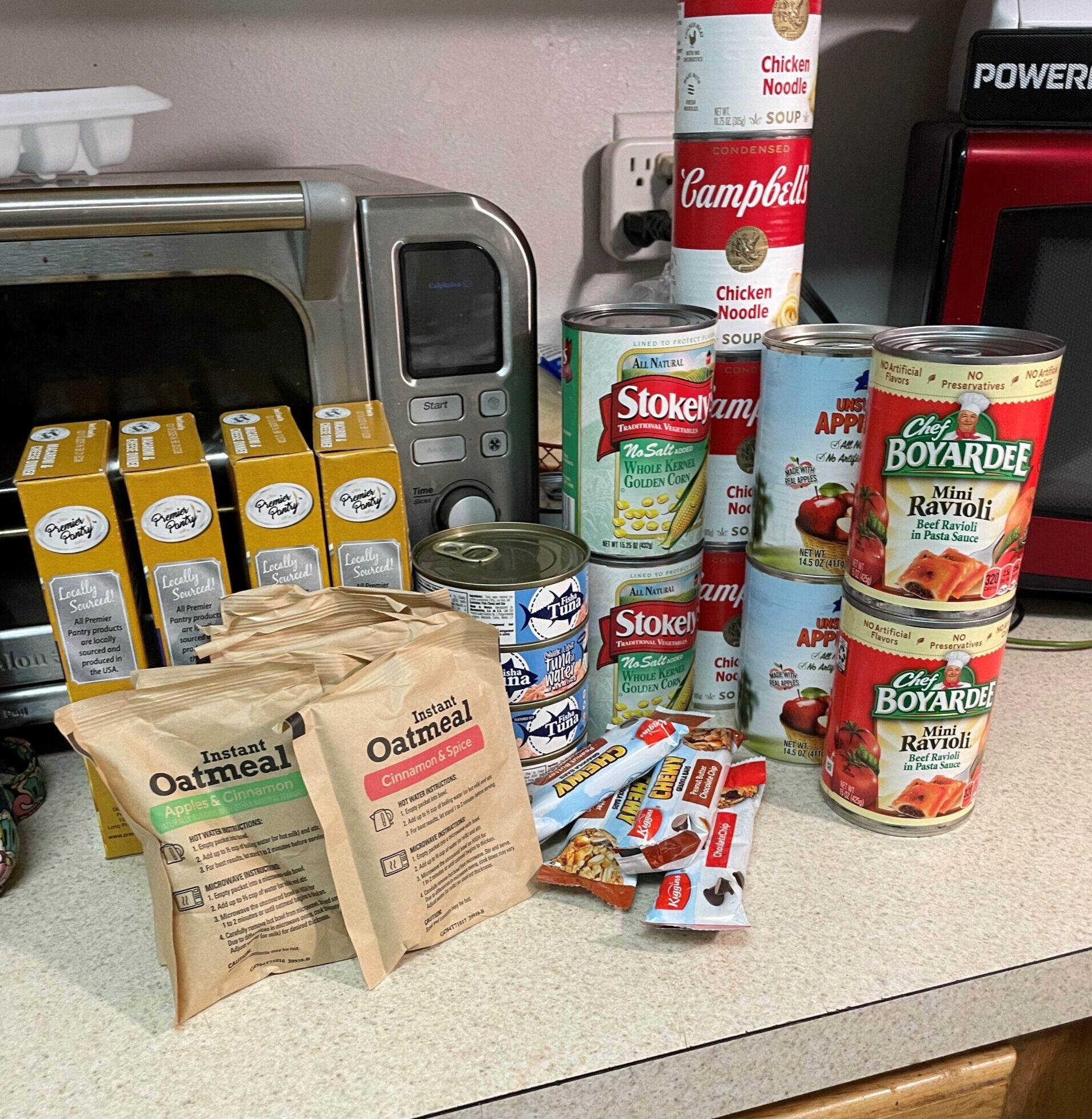
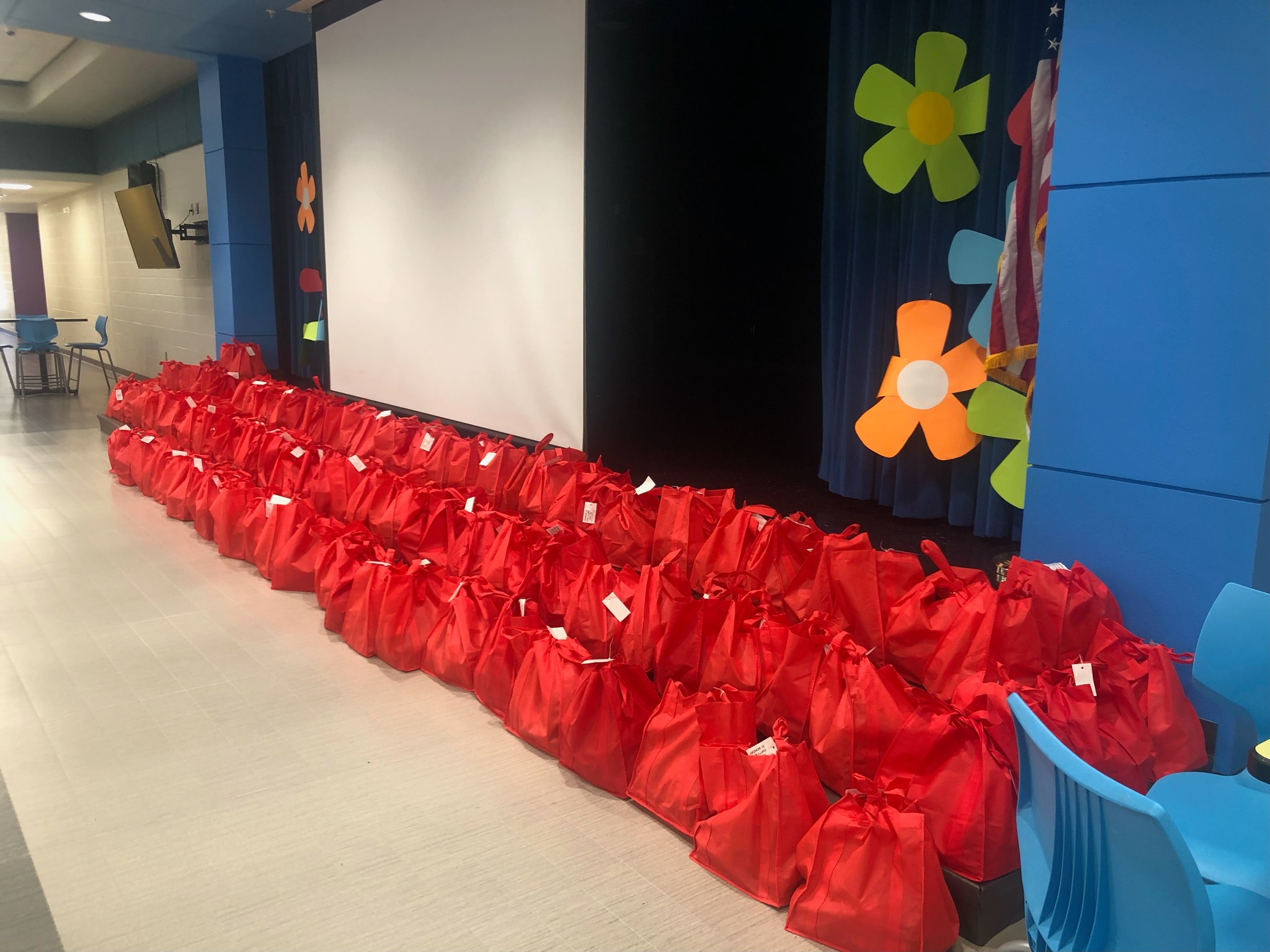
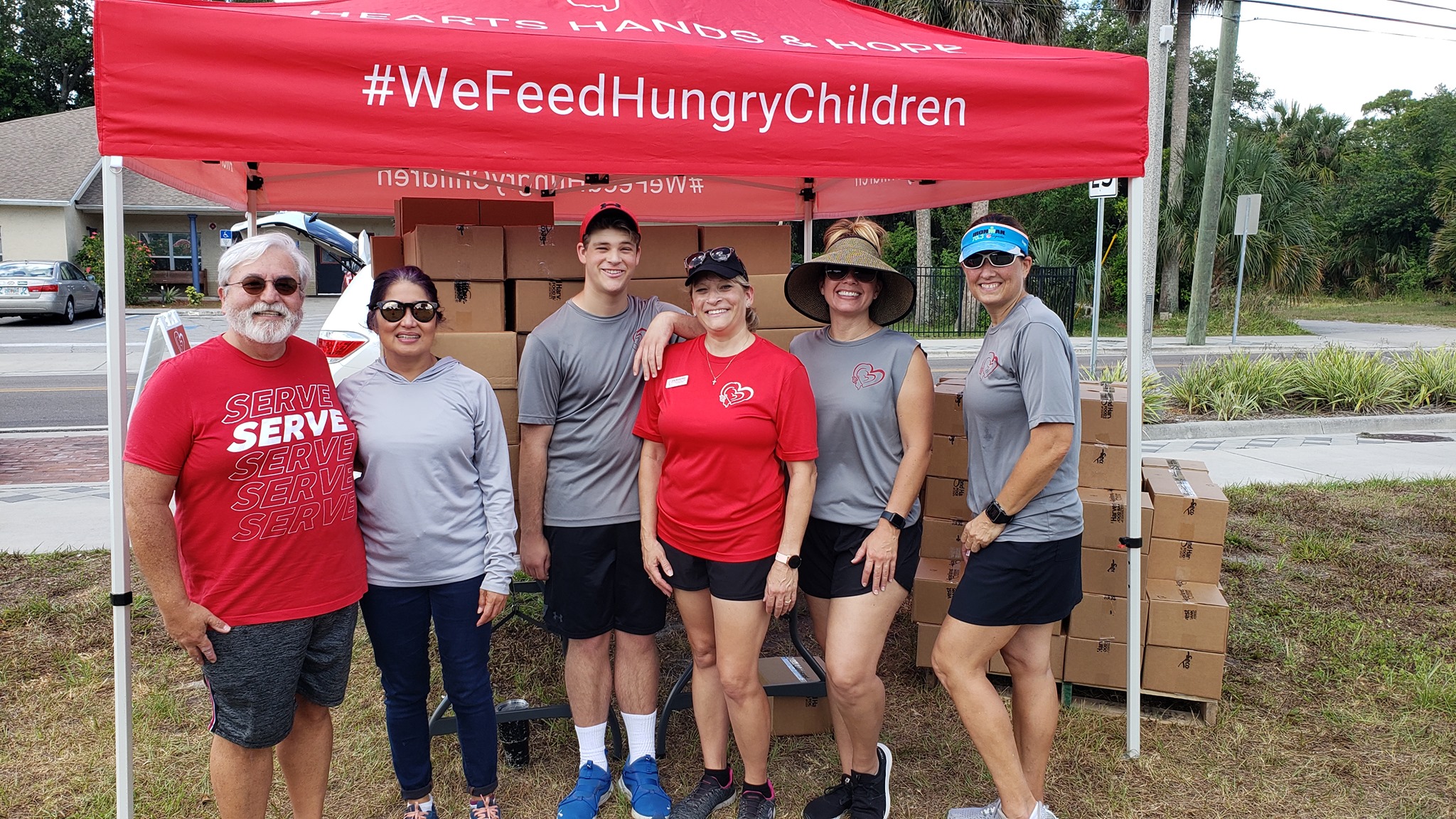
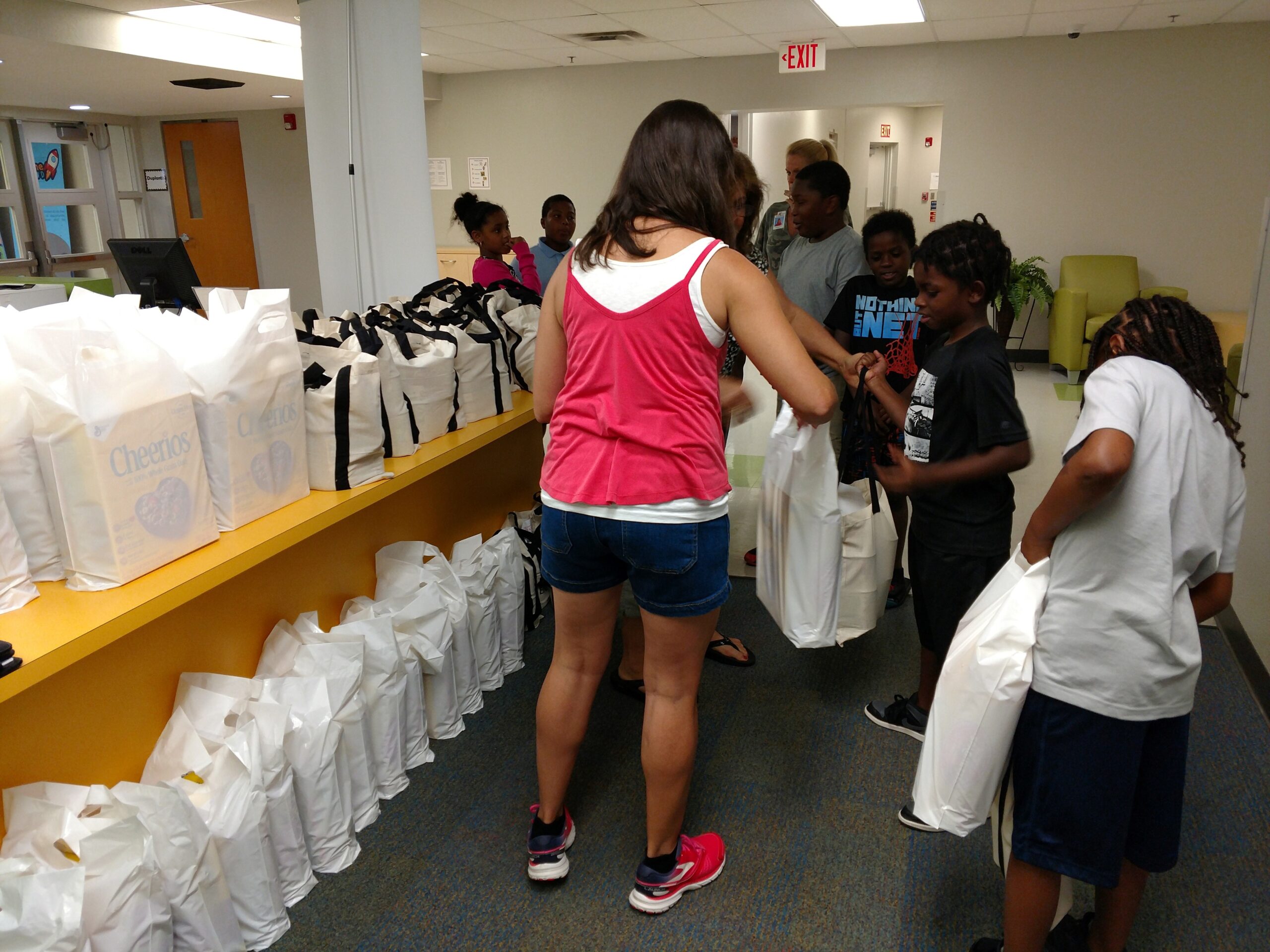
That gap is exactly where Hearts, Hands, and Hope steps in. Every week, we send children home on Friday with a bag of 14 nutritious meals, so that gap disappears — turning a weekend of uncertainty into one less thing a child has to worry about.
Food Insecurity in Seminole County
The need is not shrinking — it’s growing, and growing quickly.
2024/2025: 58,430 people are food insecure in Seminole County — more than half of them children
2023/2024: 46,120 people were food insecure
That’s 12,310 more people facing food insecurity in a single year
Seminole County’s food insecurity rate now stands at 12.3%, higher than the national average of 11.8% — meaning a child in Seminole County is statistically more likely to go hungry than a child almost anywhere else in the country.